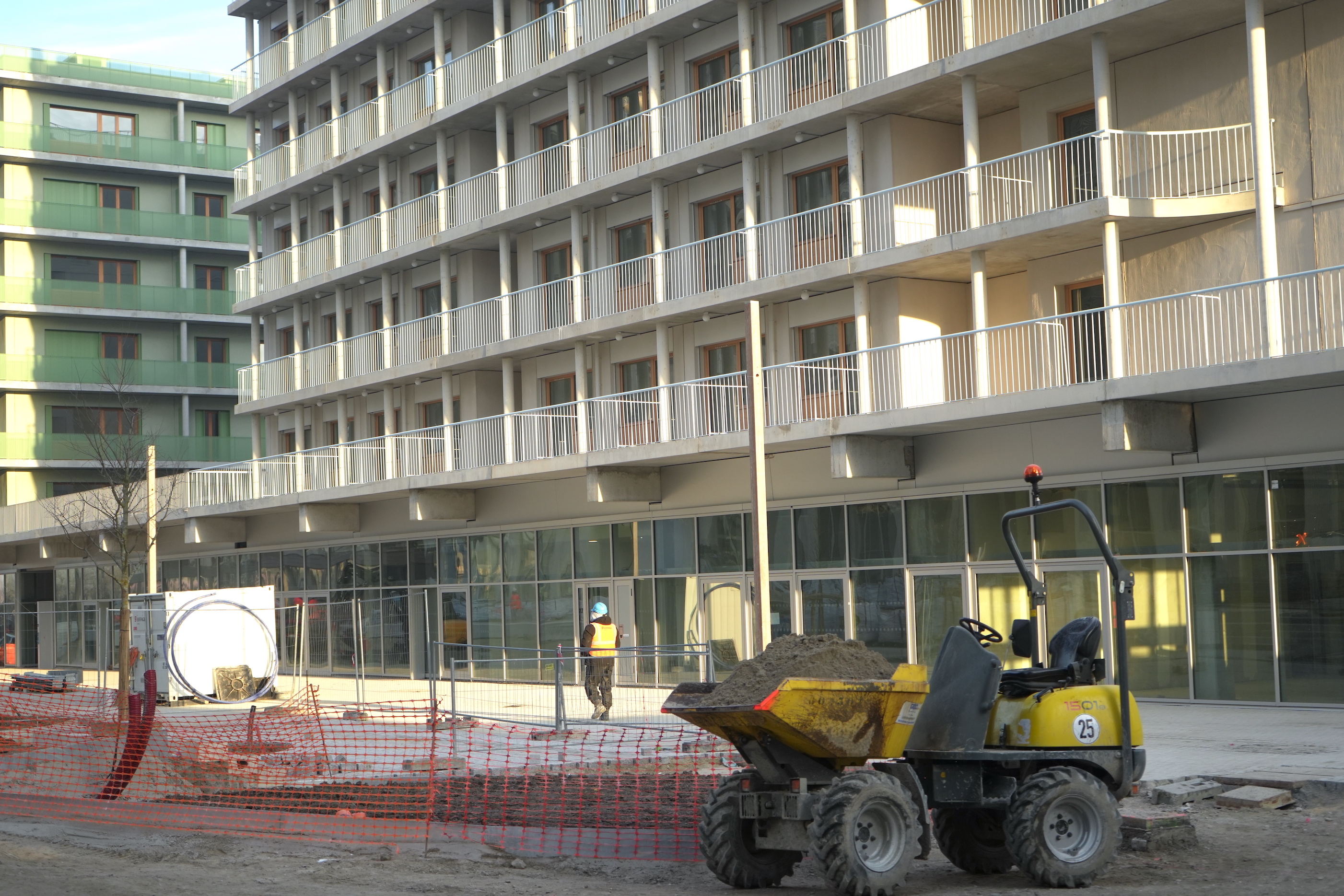
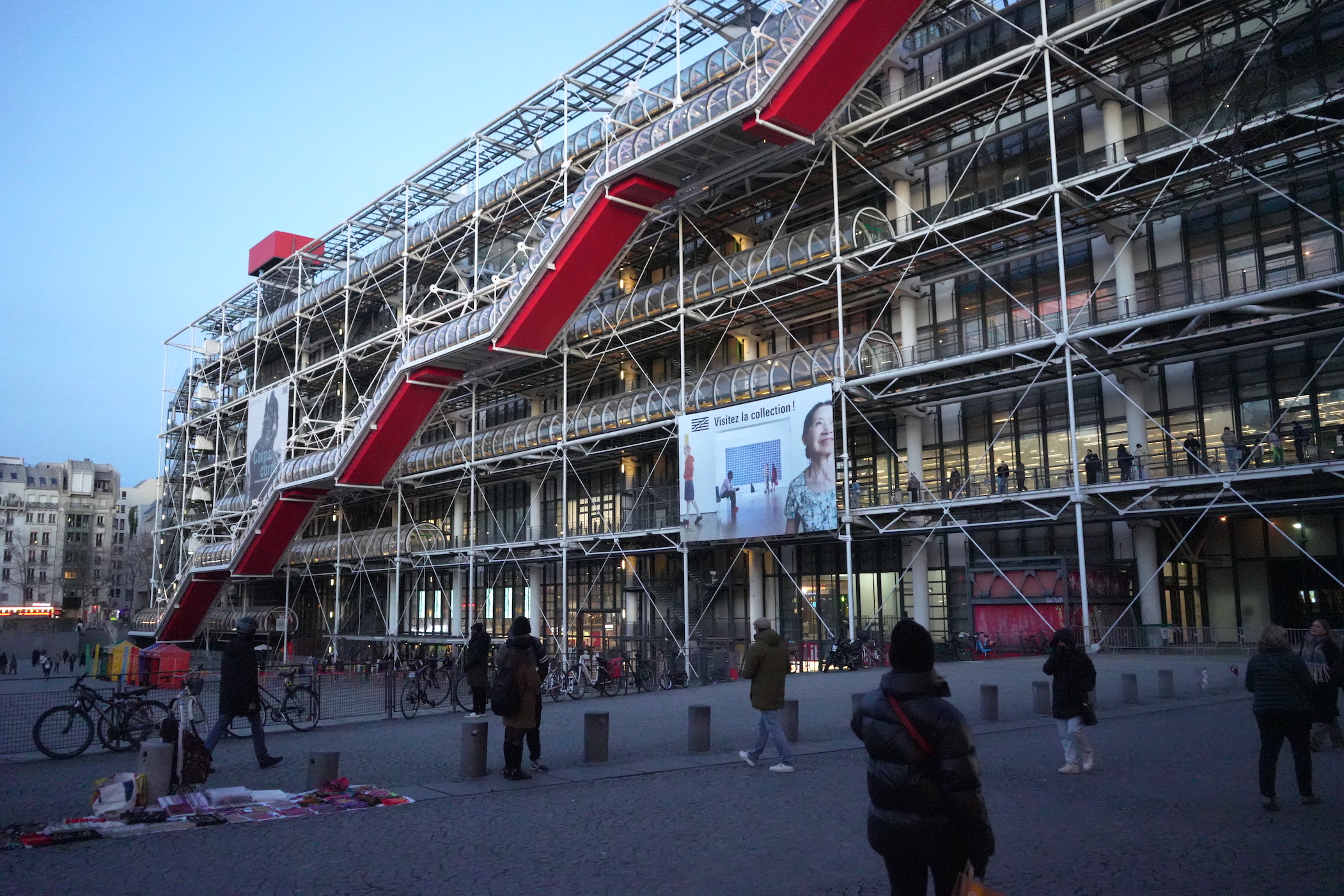
"Paris Olympics" - Inconsistent Architecture of Athletes' Village Reflects French Personality On the 16th, the Paris Olympic inspection team from our country visited the under-construction athletes' village. Typically, based on the reporter's experience, the exterior of Olympic athletes' villages tends to be consistent, resembling residential communities. However, this time it is different, and the tour guides explained that this diversity aligns well with the French personality. The Paris Olympics, scheduled from July 26 to August 11, will host 5250 male and 5250 female athletes, making it the first Olympics in history with equal participation numbers for both genders. Paris boasts a diverse array of architectural landmarks that combine traditional and modern elements, creating a sense of conflict and inconsistency. For example, the Louvre, built from the late 12th to early 13th centuries, is now a world-renowned museum. The modern and controversial glass pyramid at the Louvre courtyard, designed by Chinese-American architect I. M. Pei and completed in 1989, initially sparked controversy for clashing with the classical aesthetic of the Louvre. However, it has since become an iconic landmark. Similarly, the Pompidou National Center for Arts and Culture, built in the 1970s, features exposed pipelines on its exterior walls, with escalators located outside the structure, presenting a stark departure from traditional Parisian architecture. Initially met with resistance, it has now become a well-known landmark, integrating into the fabric of Parisian life. The building's Italian architect, Renzo Piano, later received the Pritzker Prize in 2007. Given these examples, the inconsistent appearance of the under-construction athletes' village is not surprising but rather anticipated, aligning with the diverse and unconventional nature of French architecture.